The City, Reflected
I nearly walked past this.
Which is usually how I know there’s a photograph there.
The street was doing its usual thing. Damp pavement. Parked cars. A church at the end, standing patiently like it always has. Nothing dramatic. Nothing urgent. The sort of scene your brain files under “background” so you can get on with wherever you think you’re meant to be going.
Then I stopped.
Not because something happened. Because nothing did.
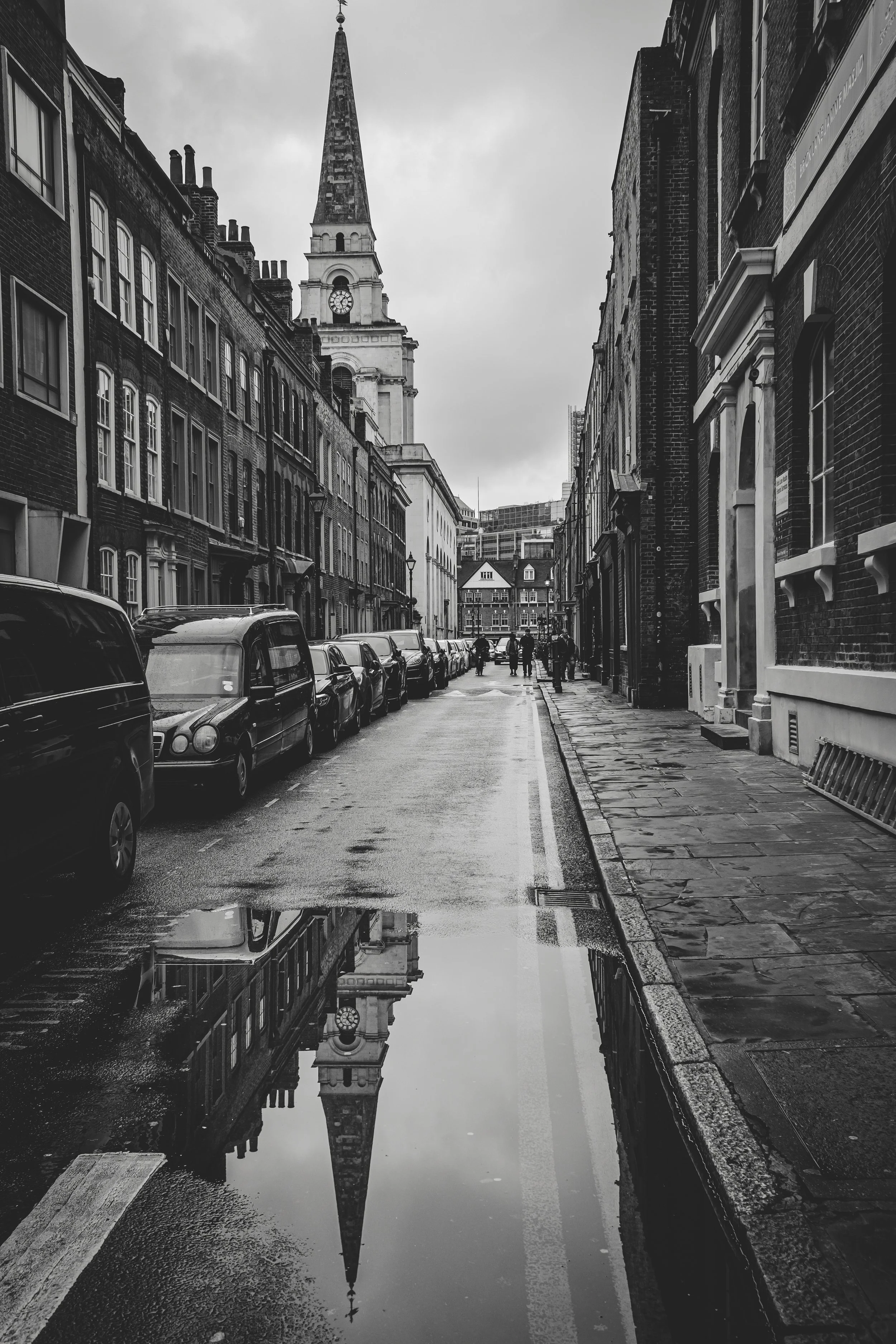
The reflection was already there, waiting. It didn’t announce itself. It didn’t need help. It just asked for a bit of stillness. That’s the part people miss. Reflections don’t reward speed. They reward hesitation. Blink and they’re gone. Step too fast and you never knew they existed.
This photo wasn’t about timing in the heroic sense. No decisive moment. No split second. It was made by standing still longer than felt useful and asking a very unfashionable question: what happens if I don’t move?
The answer, as it turns out, is usually better composition.
Black and white felt right because colour would have had opinions. It always does. Stripped back, the scene becomes simpler. Lines, weight, balance. The church stops being a subject and starts being a shape. The road becomes a surface, not a route. The reflection does what reflections do best. It slows everything down without asking permission.
There’s a lesson in that, if you want one.
We talk endlessly about seeing, but rarely about waiting. Some images are found. Others are formed. And occasionally, the city meets you halfway.
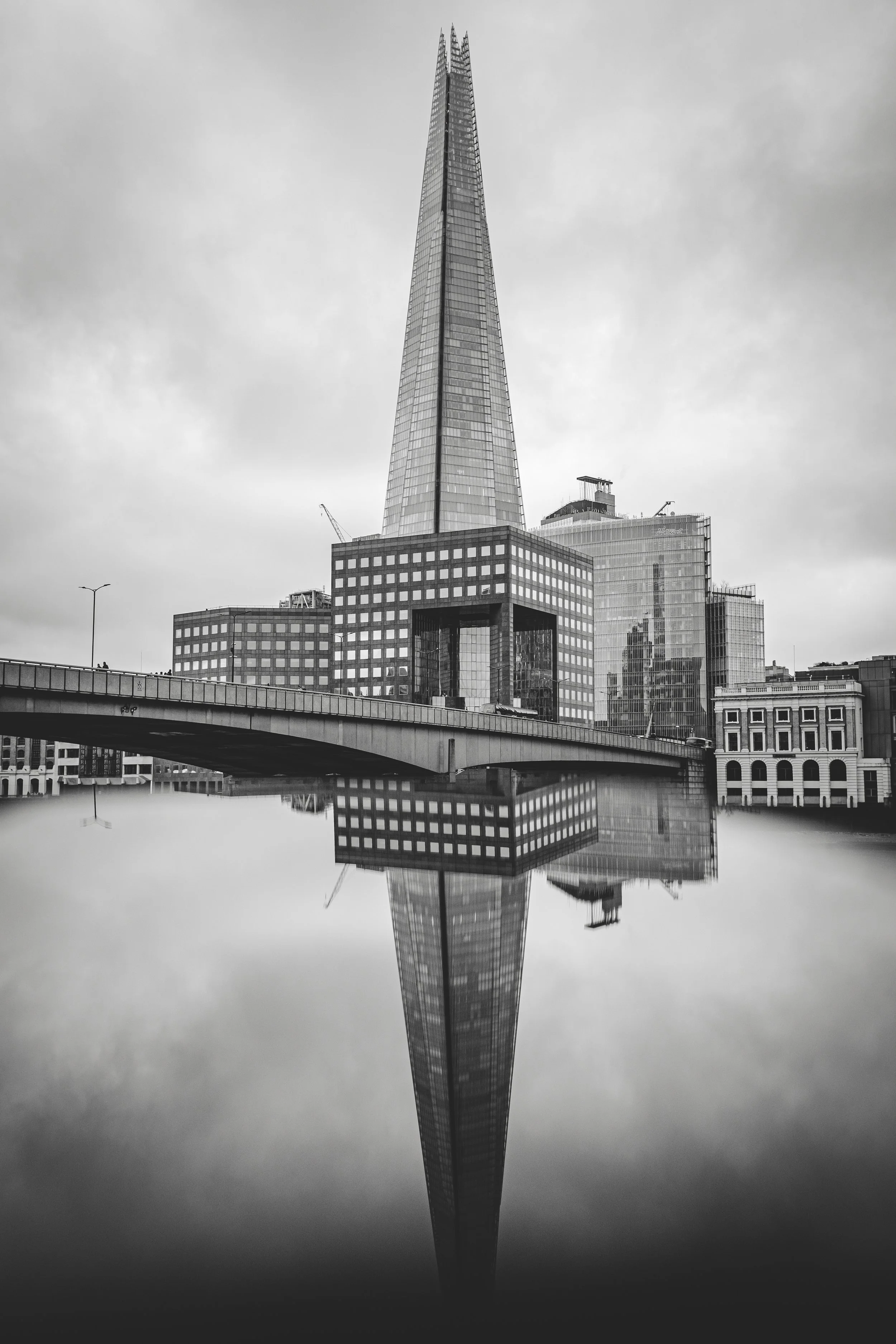
This second image came from using my phone screen as a mirror. Not as a trick. Not as a party trick either. It was just there, doing its job, and I borrowed it for a moment. Sometimes the city gives you the reflection. Sometimes you carry one in your pocket.
The important part isn’t the method. It’s the decision to stay curious instead of rushing on.
I didn’t improve these scenes. I didn’t add meaning to them. I just didn’t interrupt them. Which is starting to feel like most of photography anyway. Less taking. More noticing. Less noise. Fewer clever ideas. Better attention.
If there’s anything to take from this, it’s simple enough. Slow down occasionally. Look at what’s already formed. And never underestimate a reflection.
They’re doing more thinking than most of us.